













News
12
Jun
2026
Special hazard fire suppression inspections involve far more than checking cylinders or confirming that detection devices are operational. Unlike conventional sprinkler systems, clean agent, inert gas, aerosol, and other special ...
05
Jun
2026
Choosing a fire suppression system for a special hazard environment is rarely straightforward. Data centres, electrical rooms, industrial control spaces, telecommunications facilities, battery rooms, and archives all present different fire ...
28
May
2026
Battery energy storage systems are becoming more common in Canadian industrial, commercial, data center, and high-technology facilities. As these systems grow in size and complexity, fire protection planning must go ...
21
May
2026
Protecting valuable assets like data centers is a paramount concern for Canadian businesses navigating the modern landscape. Unlike traditional rooms with a mixture of normal combustibles, these sensitive rooms need ...
14
May
2026
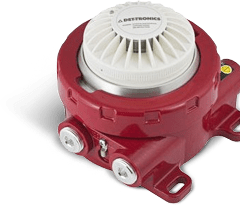
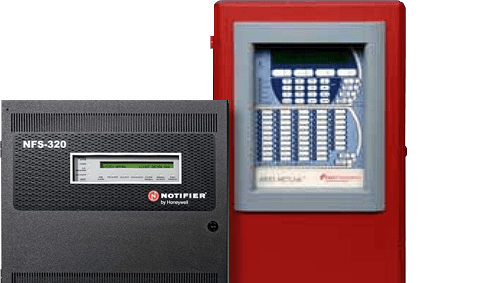
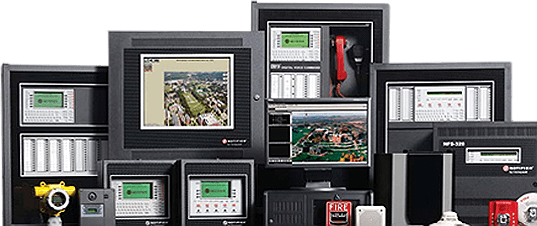
Special hazard suppression systems depend on more than the suppression agent itself. Clean agent, inert gas, aerosol, and other special hazard systems need accurate detection, releasing logic, alarm communication, shutdown ...
07
May
2026
Transformer rooms and electrical distribution spaces are critical to building operations. They support power delivery across the facility, but they also concentrate heat, electrical load, cabling, switchgear, and in some ...
30
Apr
2026
Battery rooms and battery energy storage system rooms may sound similar, but they are not the same from a fire protection perspective. A traditional battery room is often used for ...
16
Apr
2026
Clean agent suppression systems depend on more than the agent itself. For the system to work properly, the protected room must be able to hold the agent concentration long enough ...